8 Space Truths Hidden by NASA: The Human Body Can Become Like This in a Weightless State...
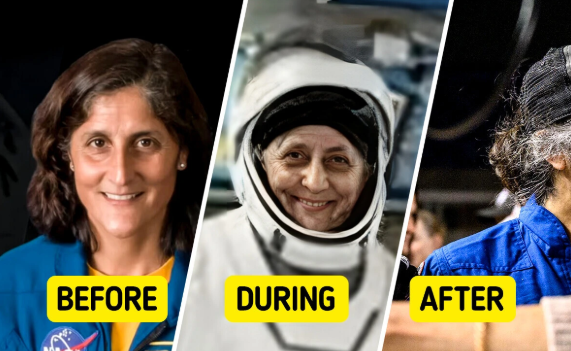
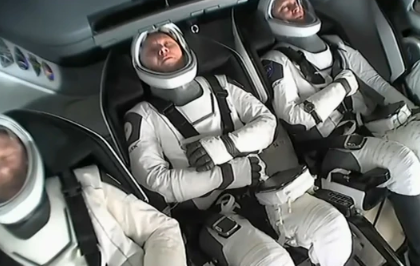
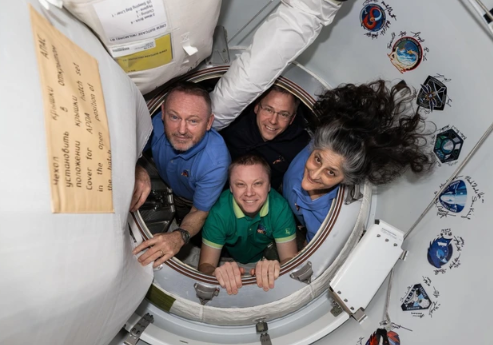
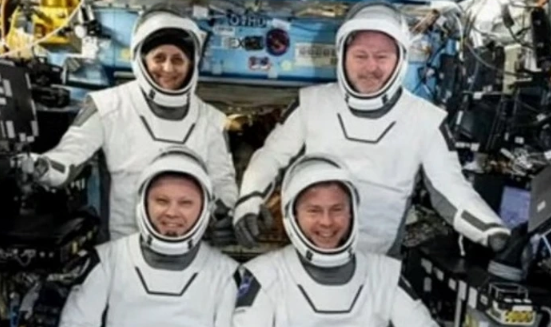
It was supposed to be a quick trip—just 10 days aboard the International Space Station. But for astronauts Butch Wilmore and Suni Williams, a malfunction turned their routine mission into an epic 286-day stay in orbit.
Stranded by NASA’s delayed return, they made history in the most unexpected way.So, what really goes down with the human body when it’s floating in microgravity for that long? It turns out, you don’t need to be a rocket scientist to find this fascinating. Just click, scroll, and be amazed at what the human body can do when Earth’s gravity takes a break.
TOP8. Your Internal Thermostat Goes Haywire
In space, your body can’t regulate temperature like it does on Earth. You might not feel hot or cold the way you normally would, and sweating doesn’t work as well. That means even inside a climate-controlled spacecraft, astronauts can easily overheat—or get unexpectedly chilly.
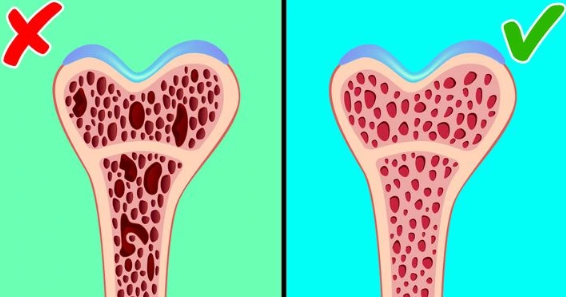
TOP7. Bones Get Brittle
Without gravity, your bones lose density—fast. Weight-bearing bones like your hips and legs are hit the hardest. Astronauts can lose about 1% of bone mass each month. That’s way more than what elderly people lose back on Earth, raising the risk of fractures during and after the mission.
TOP6. Fluids Go Up… to Your Head
Gravity normally keeps your bodily fluids down. In space, they float upward, making your face puffy and your nose stuffy—like having a permanent head cold. This shift can also increase pressure inside your skull, which may mess with your eyesight.
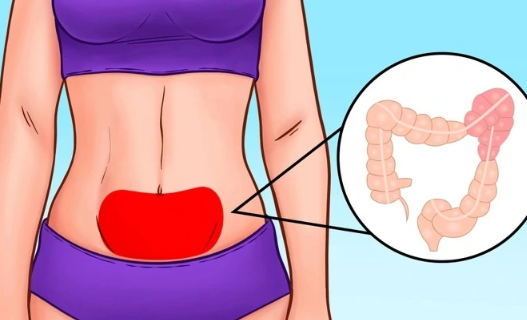
TOP5. Your Gut Flora Changes
Long space missions shake up the balance of bacteria in your gut. That can affect everything from digestion and nutrient absorption to your immune system—and even your mood. NASA’s still figuring out how to keep astronauts’ gut health in check, especially for future trips to Mars or the Moon.
TOP4. You Get Taller
No gravity means no spine compression. Astronauts can grow up to 3% taller during their first few days in space. Don’t get too excited, though—once they’re back on Earth, gravity squishes them back to their normal height within days.
TOP3. Your Heart Gets Lazy
In microgravity, your heart doesn’t have to work as hard to pump blood around. That can cause it to shrink slightly, leading to low blood pressure and dizziness when astronauts return to solid ground. The good news? With time and rehab, most hearts bounce back.
TOP2. Your Vision Gets Blurry
It’s called Spaceflight-Associated Neuro-ocular Syndrome (SANS). Fluid pushing toward the head increases pressure on the optic nerve, which can swell or flatten the eyeball—and blur your vision. Some changes are temporary, but scientists are worried about long-term damage.
TOP1. Muscles Melt Away
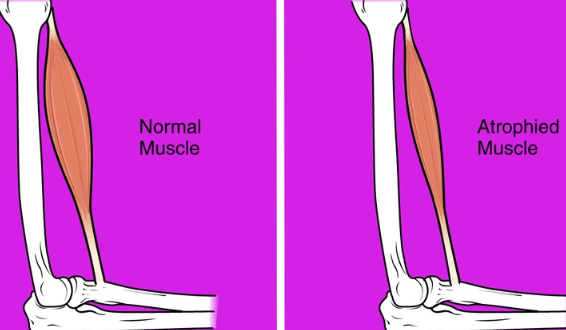
If you don’t use them, you lose them—and in space, muscles atrophy fast.
Without daily resistance, astronauts can lose up to 20% of their muscle mass in less than two weeks. That’s why they work out about two hours every day on treadmills and resistance machines. Even so, some muscle loss is unavoidable, and rehab back on Earth is a must. So, after reading all this—would YOU volunteer for a long-duration space mission? Comment below with a ? for YES, or a ? for NO!
Amidst the recent overall downturn in oil prices, OPEC's optimistic demand forecast has given the oil market a much-needed boost.On September 24th local time, OPEC released its annual outlook report, ...
After experiencing a downturn during the period of high interest rates, the IPO market is gradually warming up.Drew Bernstein, co-founder and co-chairman of Marcum Asia CPA firm, recently said in an e...
1. U.S. stocks closed mixed overnight, with the Dow and S&P 500 falling after hitting new highs, while the Nasdaq edged higher. All three major U.S. stock indexes posted gains in September. Goldman Sa...
What is the U.S. national debt and why does it matter? This guide breaks down the causes, how it affects your daily life, the risks of a debt crisis, and what the future might hold for America's financial health.
What is the 80% rule for EV charging and why do experts swear by it? This guide breaks down the science behind lithium-ion battery health, the real-world impact on your car's range, and practical tips to extend battery life.
Benefiting from the accelerated growth in electricity demand across society, improvements in traditional energy operations, and the continued green and low-carbon development trend in power generation...






Add your perspective