Clicker Training Parrots: Stop the Screaming for Good
You’re sitting at your desk, and your African Grey starts screaming. Not a cute chirp. A full-on, ear-piercing scream. You’ve tried ignoring it, covering the cage, even yelling back. Nothing works. I’ve been there. That’s why I started using clicker training parrots — not because it’s trendy, but because it’s the only thing that actually changed the behavior without breaking trust.
Clicker training isn’t magic. It’s a clear, consistent way to tell your bird “yes, that exact thing you just did — that’s what I want.” And after a decade of working with parrots, I can tell you: the clicker does the talking better than your voice ever will.
Why the clicker works better than your voice
Parrots are loud. Your voice gets lost in the noise. A click? Sharp, short, identical every single time. That consistency is gold. I learned this the hard way with a moluccan cockatoo named Peaches — she’d ignore my “good girl” but snap to attention at the click sound.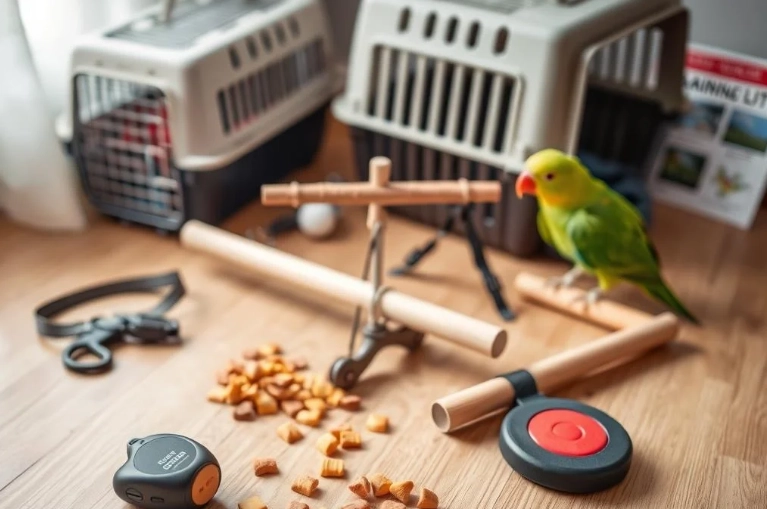
Here’s the thing most people miss: the click isn’t a command. It’s a marker. It says “that behavior, right there, is getting a treat.” Your voice wobbles. You say “good” with different tones depending on your mood. The click never changes. That’s why parrots pick it up faster.
How to start clicker training parrots (5 exact steps)
I’ve taught this to dozens of owners. Skip any step and you’ll hit a wall. Here’s the sequence that actually works.
Step 1: Pick a high-value treat (and test it)
Not all treats are equal. A piece of apple might work for a budgie but a macaw will laugh at you. I use safflower seeds for smaller birds and pine nuts for larger ones. Test it: offer the treat when the bird is calm. If they drop it or turn away, find something else. My rule: the treat must be small (pea-sized), quick to eat, and only used for training.
Step 2: Charge the clicker (the boring but crucial part)
Click, then immediately give a treat. Wait 2 seconds. Repeat 10 times. Do this for three short sessions a day. Your bird will start looking at you after the click, expecting food. That’s the “charge.” If you skip this, the click means nothing. I once rushed this with a rescue Senegal and paid for weeks — he just stared at me like I was an idiot.
Step 3: Target the behavior you want
Say you want your parrot to step onto a perch instead of screaming for attention. Hold the perch near its feet. The second it lifts a foot to touch it — click, then treat. Timing matters: the click must land within 1 second of the behavior. My trick: hold the clicker in one hand, treat in the other. Don’t fumble.
Step 4: Add a verbal cue (only after the behavior is solid)
Once the bird does the behavior 8 out of 10 times, add a word like “step up.” Say the word right before the behavior. Click when it happens. Treat. The word becomes the signal. But don’t add the cue early — that’s a classic beginner mistake.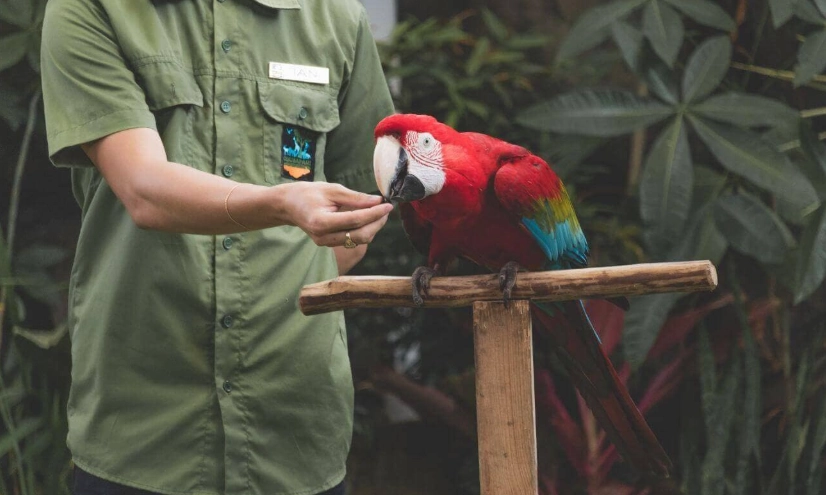
Step 5: Fade the clicker (slowly)
You won’t need the clicker forever. Once the behavior is reliable, replace the click with a verbal “good” (but keep it consistent). Then treat randomly. This is called a variable reinforcement schedule, and it’s what keeps behavior strong long-term. I still use the clicker for new tricks, but daily stuff? Just a word and a head scratch.
Which treats actually motivate your parrot
I’ve seen owners use sunflower seeds for everything. That works for a while, then the bird gets bored. Variety matters. Here’s a quick reference table based on my own trials (and a few messy failures).
| Parrot size | Best training treat | Why it works | Watch out for |
|---|---|---|---|
| Small (budgie, lovebird) | Millet spray pieces | High carb, fast to eat | Too much causes weight gain |
| Medium (cockatiel, conure) | Safflower seeds | Crunchy, easy to break | Some birds prefer fruit |
| Large (African Grey, Amazon) | Pine nuts (unsalted) | Rich, high value | Limit to 3-4 per session |
| Extra large (macaw, cockatoo) | Almond slivers | Substantial, satisfying | Cut small to avoid choking |
One more tip: don’t use the same treat for every session. Rotate between two or three. I learned this from a zookeeper at the San Diego Zoo Wildlife Alliance — they rotate treats to keep animals engaged. Same works for parrots.
The mistakes I wish I’d avoided
These aren’t in most guides, but they’ll save you weeks of frustration.
Clicking too late. If you click after the bird stops the behavior, you’re marking the wrong thing. I did this with a quaker parrot and taught him to stop stepping up instead of start. Fix: click the instant the behavior starts, even if it’s messy.
Training when the bird is wound up. A screaming, hyper parrot won’t learn. I train right after a meal or in the evening when they’re calm. Morning is a no-go for my cockatoo — he’s too loud.
Using a clicker that’s too loud. Some clickers are ear-piercing for sensitive birds. I use a soft-click trainer (the kind with a quiet “pop”). Test it near your bird first. If they flinch, try a different one.
Forgetting to end on a win. Always finish with a behavior the bird knows well. End with a treat and a calm “good.” That leaves them wanting more. I learned this from a trainer at the Association of Avian Veterinarians conference — it’s a small thing that makes a huge difference.
Real questions from parrot owners
Clicker training parrots isn’t about tricks. It’s about communication. Once your bird understands that a click means a treat is coming, you can shape almost any behavior — including the quiet ones. It’s not fast. But it works. And honestly, the first time your parrot chooses to be quiet instead of screaming? That click is the most satisfying sound you’ll hear.
This article was fact-checked against guidelines from the Association of Avian Veterinarians and the San Diego Zoo Wildlife Alliance.

Comments