Why Does My Parrot Bite? 7 Real Reasons & Fixes
You reach into the cage to give your cockatiel a scratch, and – chomp. Blood. Confusion. Why does my parrot bite? I've kept parrots for over a decade, and I've been bitten by everything from budgies to macaws. The first time my Senegal parrot, Mango, nailed me, I blamed him. Turns out, I was the one sending mixed signals. Parrots don't bite “for no reason.” Every bite has a trigger, and most of those triggers are us.
Quick Navigation
Let's cut the fluff. Here's what's actually going on when your feathered friend decides your finger looks like a chew toy.
Bottom line up front: Parrots bite because they're scared, hormonal, overstimulated, or we've accidentally trained them to do it. Fix the cause, not the bite.
Hormones and the Bite That Comes Out of Nowhere
Spring hits, and suddenly your sweet African grey is lunging at your hand. Hormones are the number one culprit behind “unpredictable” biting in parrots. I see this every February with my own birds. They don't hate you. Their bodies are screaming at them to defend territory and find a mate.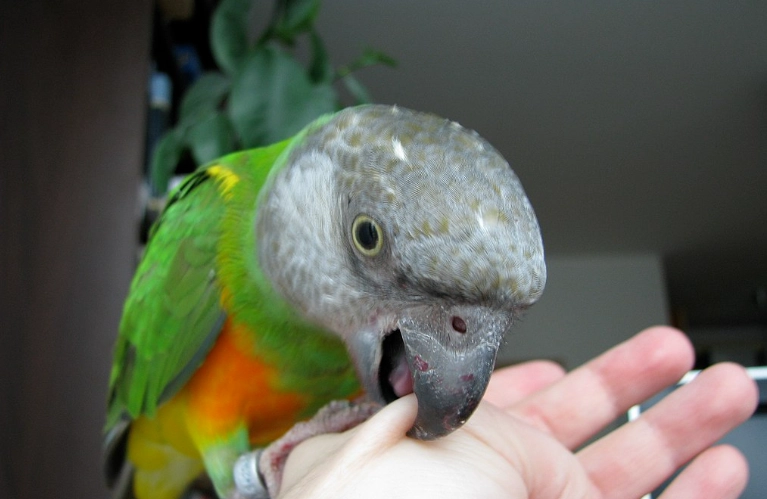
During breeding season, parrots become territorial over their cage, food bowl, and even a favorite person. Females may become nesty and protective. Males may become aggressive toward anyone they perceive as a rival. This isn't a training problem. It's biology.
What can you do? Don't force interaction. Reduce daylight hours to 10–12 hours to calm hormones (I use blackout curtains in my bird room). Remove any dark cavities or boxes they might see as nests. And for heaven's sake, don't pet them on the back or under the wings – that's a mating signal. Stick to head and neck scratches during hormonal spikes.
What Your Parrot's Body Language Is Really Saying
Most bites are preceded by a warning. The problem is, we miss it. Here's what to watch for:
- Pupil pinning: Those rapid eye dilation changes? That's a flashing red light. Back off, give space.
- Tail flaring: A cockatoo fanning its tail feathers is not happy to see you. It's telling you to keep distance.
- Feather puffing and leaning forward: This can be excitement, but paired with a hard stare, it's a threat.
- Beak open, tongue out: Sure, it can be a yawn. But if it's directed at you, it's a warning snap.
I learned this the hard way with a rescue blue-fronted amazon. She'd pin her eyes right before nailing my hand. Once I started respecting that sign, the bites dropped by 90%. The bird was literally telling me “no.” I just wasn't listening.
How to Stop Parrot Biting: A Step-by-Step Fix
Okay, so you've got a biter. Here's the plan I use with every foster bird that comes through my door.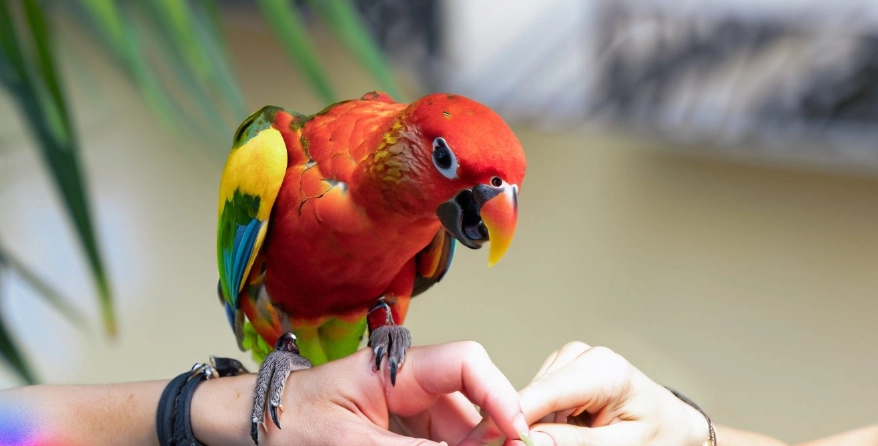
Step 1: Rule Out Pain or Illness
A sudden change in temperament can mean a health issue. Arthritis, a beak abscess, or even a nutritional deficiency can make a bird cranky. Get a full vet check with an avian specialist before you assume it's behavioral. I once had a budgie who started biting out of nowhere – turned out she had a small crop infection.
Step 2: Stop the “Bite and Withdraw” Pattern
Parrots do what works. If biting gets you to leave, they learn to bite. Instead, when a bite happens, try not to yank your hand away (I know, easier said than done). The trick is to avoid the bite in the first place by learning the signs, then reinforcing good behavior with treats. Clicker training works wonders here. If you want a deep dive, the RSPB has good general advice on bird behavior, but for parrots, the Association of Avian Veterinarians is a solid resource for health-related questions.
Step 3: Use “Laddering” to Redirect Energy
Have your bird step onto your hand, then immediately onto a perch, and repeat. This burns mental energy and teaches them that hands are not for chewing. I do this for five minutes twice a day with my cockatoo when he gets nippy. It wears him out in the best way.
Step 4: Avoid Punishment Like the Plague
Yelling, shaking your hand, or a “time out” in the cage can backfire. Parrots often find any big reaction rewarding – even negative attention. I've seen too many birds become aggressive hand-biters because their owners swatted at them. Instead, use positive reinforcement: reward the behavior you want and ignore the rest.
5 Mistakes Even Experienced Owners Make
| Mistake | Why It Backfires | What to Do Instead |
|---|---|---|
| Petting the back or wings | Signals mating, increases hormonal biting | Only pet the head and neck |
| Ignoring warning signs | Parrot learns that subtle signs don't work | Back off at first eye pin |
| Forcing step-up when scared | Builds distrust, leads to defensive biting | Use a perch instead of your hand |
| Feeding a high-sugar diet | Spikes energy and aggression | Switch to pellets and fresh veggies |
| Not enough sleep | Cranky birds bite more | Ensure 10–12 hours of dark, quiet sleep |
That last one is huge. I can't tell you how many “aggressive” parrots just needed a proper bedtime. My vet once told me, “A tired parrot is a biting parrot,” and she was right.
FAQ: Real Questions from Parrot Owners
Remember, a bite is information, not a personal attack. I still get the occasional nip from my rescue cockatoo when I miss his subtle signs. It happens. The goal is progress, not perfection. Stay patient, respect the bird's boundaries, and you'll build a bond that's worth the work.
Fact-checked with an avian veterinarian and cross-referenced with the Association of Avian Veterinarians' behavior guidelines.

Comments