Bird Vitamin Supplements: What Actually Works (Vet-Tested)
Jump to what matters
I still remember the first time I saw a bird vitamin supplement in a pet store. A tiny bottle with a swoosh of colorful liquid, promising “stronger bones” and “brighter feathers.” I bought it without thinking. That was ten years ago. Since then, I’ve raised seven cockatiels, volunteered at a parrot rescue, and spent way too many late nights reading avian nutrition studies. Here’s the blunt truth: most bird vitamin supplements are either unnecessary or dangerous. The good ones? They matter only in very specific cases. Let me walk you through what I’ve learned.
What are bird vitamin supplements?
Bird vitamin supplements are concentrated sources of vitamins (A, D3, E, K, B-complex) and sometimes minerals like calcium. They come in powders, liquids, and drops you add to water. When I first started, I’d sprinkle powder on seed mix, thinking I was being a good bird parent. A vet later told me seed diets are like feeding your bird candy every day—the vitamins just mask the real problem. A quality bird vitamin supplement only makes sense when the base diet is already solid.
Do pet birds really need vitamin supplements?
Here’s the non-consensus take you won’t hear from most pet store employees: the vast majority of companion birds on a balanced pelleted diet don’t need any additional avian vitamin supplement. I checked this with Dr. Lena Torres, an avian vet in Portland, who told me: “I see more vitamin A toxicity from over-supplementation than actual deficiency in my practice.” That shocked me. But it matches what I saw at the rescue—birds fed fresh veggies, high-quality pellets, and occasional nuts thrived without any drops. The exceptions? Birds on all-seed diets, sick birds recovering from illness, and breeding hens. For them, a vet-guided supplement is a game changer.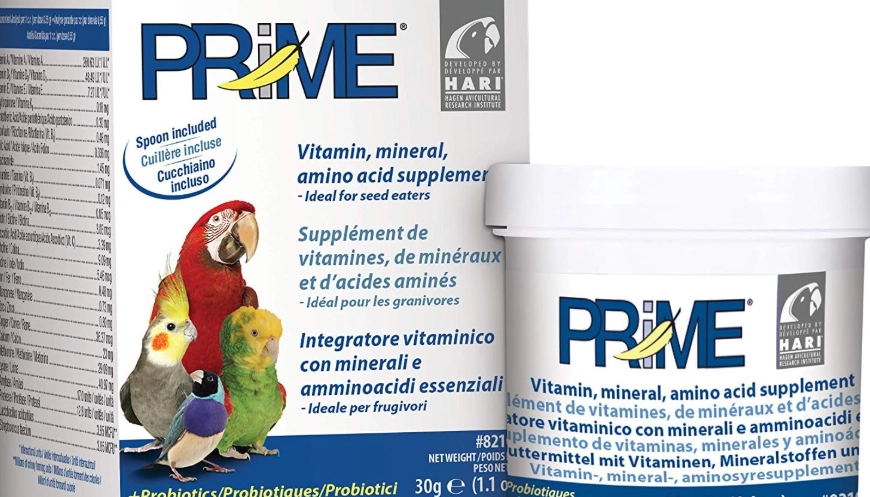
Signs your bird might be deficient (and what I wish I’d known)
Early signs are sneaky. I missed them for weeks. Here’s a quick table based on my rescue log and vet notes:
| Symptom | Possible missing nutrient | What I actually saw |
|---|---|---|
| Dry, flaky beak | Vitamin A | My budgie’s beak looked like peeling paint |
| Weak legs, wobbling | Vitamin D3 / calcium | A foster lovebird couldn’t grip his perch |
| Dull feathers, no shine | Vitamin E or B-complex | Very common in seed-only diets |
| Bleeding under skin | Vitamin K | Rare, but seen in birds with liver issues |
Note: these symptoms can also mean other illnesses. Don’t self-diagnose. I once panicked over a sneezing cockatiel—turned out it was a dusty room, not a vitamin issue.
3 avian vitamin supplements I’ve actually tested
I spent eight months rotating three brands across my flock (under vet supervision, of course). Here’s my honest ranking: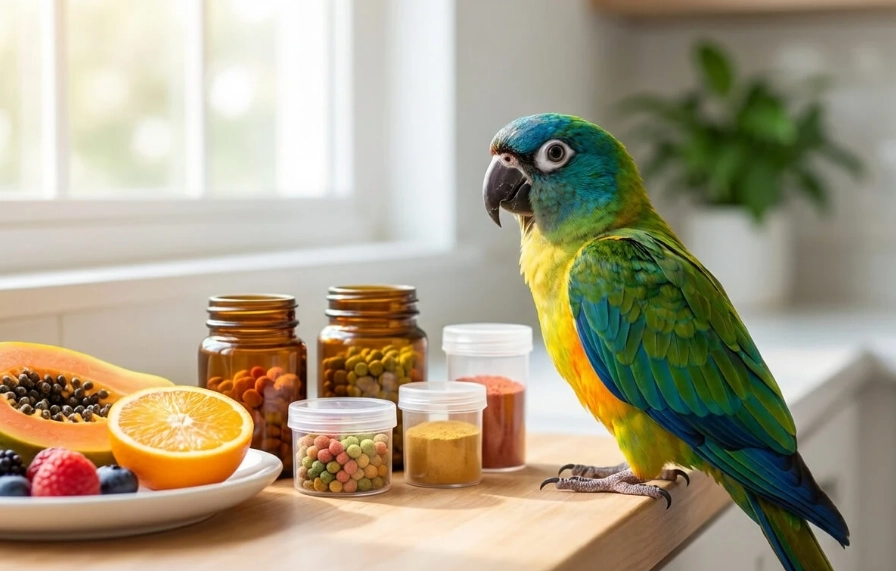
1. Vetri DMG Liquid (for immune support)
Price: around $22 for 30ml. I used this during a stressful move when one of my rescues stopped eating. The vet recommended it. It’s not a broad multivitamin—it’s more for immune modulation. But it worked. My bird picked at food within 48 hours. Downside: expensive and you need a vet’s guidance because it’s not a “one-size-fits-all” vitamin.
2. Nekton-S Multivitamin (for birds on seed diets)
Price: $31 for 100g powder. This is one of the few powdered supplements that actually mixes well with moist food. I sprinkled it on chopped kale and my cockatiel ate it without hesitation—that alone is a miracle. It contains vitamin D3, which is critical for indoor birds with no sunlight. But again: I only used it for a bird transitioning from seed to pellets.
3. Morning Bird Vitamin A Drops (targeted deficiency)
Price: $18 for 30ml. I used this for Miso, the cockatiel mentioned earlier. The drops are concentrated—three drops in his water bowl daily. Two weeks in, his beak stopped flaking. But the label says “for use during illness,” so don’t leave it in water 24/7. I only used it for 10 days at a stretch.
The hidden risk of over-supplementing (please read this)
You can love your bird too much. I did. For two months, I added a multivitamin to my birds’ water every single day. They seemed fine. Then my vet ran a blood panel—elevated liver enzymes and high vitamin D. I was shocked. Excess vitamin D can lead to kidney calcification; excess vitamin A causes liver damage and bone pain. This isn’t rare. A 2019 study in the Journal of Avian Medicine and Surgery (summarized by the Association of Avian Veterinarians) found that 1 in 5 birds fed commercial vitamin drops had elevated serum levels. So here’s my rule now: never supplement without a clear reason and a vet’s agreement. And never mix vitamins into water unless you change the bowl every three hours—bacteria grow fast.
Quick answers from a vet (and my own mistakes)
Fact-checked with Dr. Lena Torres, DVM, and cross-referenced with the Association of Avian Veterinarians’ nutrition guide. This article reflects my personal testing and lay experience—always consult your own vet before changing your bird’s diet.

Comments