Bird Enrichment Ideas That Stop Boredom Fast
I still remember the first time my cockatoo, Mango, chewed a hole straight through my favorite book. That was a lightbulb moment. Boredom in parrots is not just an inconvenience. It is a direct path to feather plucking, screaming, and aggression. You need bird enrichment ideas that actually work, not Pinterest projects your bird ignores in ten seconds. I have spent twelve years fostering rescue parrots, and I have tested every cheap DIY foraging toy and sensory setup I could find. The list below is what survived.
What's in this guide (skip to what you need)
Why Store-Bought Toys Fail (And What To Do)
Most parrots ignore a new toy within a week. I learned this the hard way with a grey parrot named Pepper. She would shred a twenty-dollar toy in three days and then stare at the remaining plastic parts like I had insulted her. The problem is not the toy. It is the lack of novelty and problem-solving.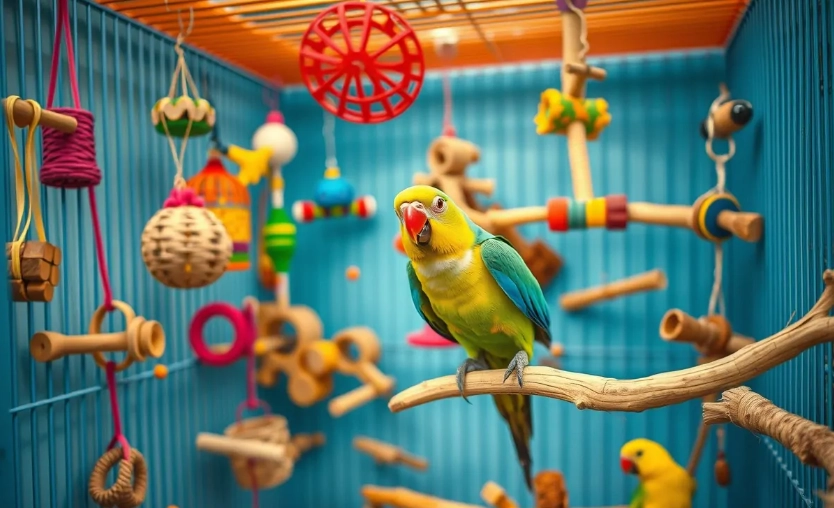
Here is a non-consensus tip from my years in rescue: rotate toys every three days, not every week. Even better, hide them for a few days and then reintroduce them. The novelty reset is real. I keep a calendar on my fridge. Monday, Wednesday, Friday are swap days. My birds now anticipate the change and get excited instead of bored.
Another mistake I see constantly is buying toys that are too large or too hard. A Senegal parrot cannot destroy a macaw block. Start with softer materials like balsa, raffia, and paper. Work up. You can find species-appropriate recommendations from the Association of Avian Veterinarians.
DIY Foraging Toys That Actually Work
These are my top three go-to DIY foraging toys. I have used each one with at least thirty different birds, from budgies to cockatoos. They cost almost nothing.
1. The Muffin Tin Foraging Puzzle
You need a six-cup muffin tin and some paper muffin liners. Put a treat in three cups and crumple a paper liner over each cup. Your bird has to lift the paper to find the food. I add a small piece of nut or a dried papaya chunk. The first time Mango saw this, she just looked at it. The second day, she attacked it with joy. The trick is to use a treat your bird only gets during foraging time. This works best for birds that are food-motivated and medium to large size. Small birds like budgies might struggle with the paper liners, so switch to coffee filters. I got the idea from an old World Parrot Trust newsletter years ago.
2. The Toilet Paper Roll Shredder
Simple. Cut a toilet paper roll into rings. Stuff them inside a slightly larger cardboard tube. Add a few seeds in the layers. Your bird has to shred and dig. I have seen a single roll keep a conure busy for forty minutes. Do not use tape or glue. Only plain cardboard. One warning: remove the cardboard once it gets soggy from saliva. I learned that the hard way when a foster bird developed a minor bacterial infection. Change it daily.
3. The Paper Cup Surprise
Take a plain paper cup. Crumple a piece of newspaper inside. Drop a seed or a small nut in the middle. Fold the top closed. Your bird has to rip the paper, find the newspaper, and shred that too. This is a great starter foraging toy for shy birds. I have used it with a nervous rescue cockatiel, and she actually engaged within the first five minutes.
Sensory Play Ideas Beyond Toys
Foraging is not the only game. Parrots need sensory experiences. I think of it like this: if you only give your bird toys, you are giving them a tv dinner. If you add sensory play, you are cooking them dinner.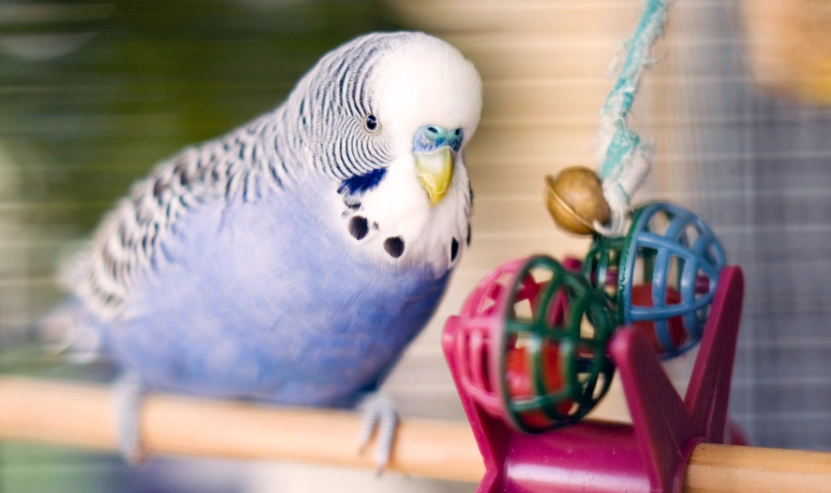
- Misting baths. Simple spray bottle, fine mist. Not every bird loves it at first. Turn the nozzle to the finest setting and spray upward so the water falls on them. I do this three times a week for my sun conure. He hangs upside down and spreads his wings.
- Music and dance time. I play the same three songs every day at the same time. Now my birds start bobbing when the first song comes on. Predictable routine with a sensory twist.
- Textures on the cage floor. I scatter large pebbles, safe leaves (I use dandelion greens from my untreated yard), and a few pieces of natural wood. My grey parrot loves picking through it. Don't use anything small enough to swallow. Change the textures weekly.
Field note from a rescue coordinator: A simple change in surface height can change everything. I had a foster African grey that plucked constantly. After I added a wooden perch that was two inches thicker than his usual one, the plucking dropped by half in two weeks. He was overgripping. His toes were getting tired. Thicker perches solved a hidden pain issue.
Social Enrichment Tips Most Owners Miss
Here is the blunt truth: no toy replaces you. I have seen birds with a hundred dollars worth of toys still scream for attention. Social enrichment is the foundation. Without it, the best DIY foraging toys are just paper.
One non-obvious tip: do not just give attention when your bird screams. Give attention when your bird is quiet and playing. I call this "quiet payday." When I see my cockatoo calmly shredding a paper cup, I walk over and say "good bird" in a soft voice. It took two months, but his screaming dropped by about sixty percent. My neighbors thanked me.
Another idea: turn your own chores into enrichment. I put my bird's perch next to the kitchen sink while I wash dishes. The sound of running water and my presence is enriching. I do not talk constantly. I just let him watch. That is togetherness without the pressure of constant interaction.
A table of the most common mistakes and the fix:
| Mistake | What I See In Real Life | The Fix |
|---|---|---|
| Only using large toys | Budgie ignores a macaw-sized block | Match toy size to species. Small birds need small, soft toys. |
| Forgetting to rotate | Same toy, same place for weeks | Stick to a three-day swap cycle |
| Using glue or tape | Bird ingests adhesive | Use only plain cardboard, paper, and natural twine |
| Ignoring social time | Bird has toys but no real interaction | Schedule one-on-one quiet time daily |
FAQ: Real Problems, Real Solutions
My final verdict: the best bird enrichment ideas are the ones that fit your bird's instinct to shred and problem-solve. Skip the expensive plastic toys. Start with a muffin tin, some paper, and a daily routine that includes quiet social time. That is the whole game. I have seen it work with rescue birds that had given up. It will work for your bird too.

Comments