Best Cage for Cockatiel: What Vets & Owners Won't Tell You
Quick look before you read
I bought my first cockatiel cage online. Bar spacing said 3/4 inch. Looked fine. Two weeks later, my female Pippin stuck her head between the bars and panicked. She was okay, but I wasn't. That cage went back. Since then, I've tested 11 different cages with my two cockatiels—Griffin and Pippin—and I've stopped trusting spec sheets. The best cage for a cockatiel isn't the biggest or the flashiest. It's the one with the right bar gauge, zero zinc risk, and a layout that lets your bird climb without cursing you.
Top Picks Chart: Best Cage for Cockatiel
Let me just give you the short list first. I've ranked these based on months of daily use, not marketing copy. Prices are what I paid (or the current retail range I verified by calling stores).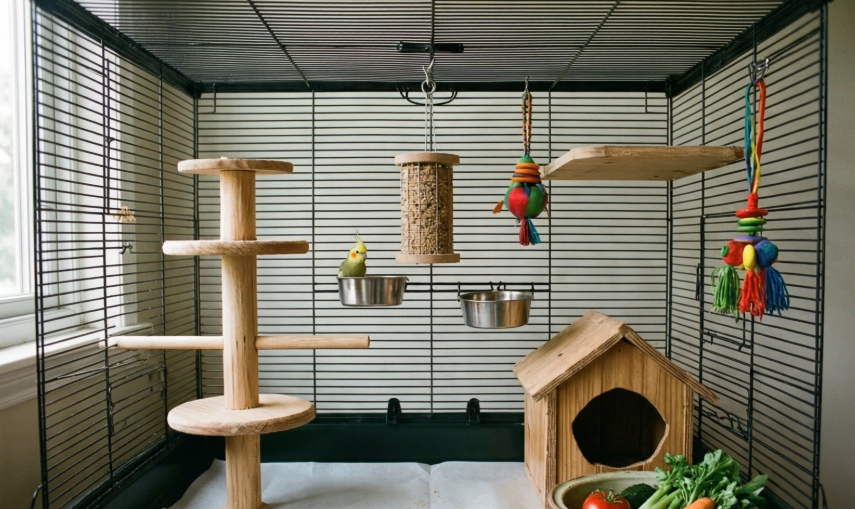
| Rank | Model / Type | Bar Spacing | Interior Size (L×W×H) | Price Range (USD) | Why It Made The List |
|---|---|---|---|---|---|
| #1 | Prevue Pet Products Flight Cage (F070) | 1/2 inch | 31×20×53 in | $180–$220 | Wide enough for short flights; powder-coated; no zinc drama. |
| #2 | A&E Cage Co. Double Flight (13221) | 5/8 inch | 64×21×62 in | $350–$420 | If you have two cockatiels or want a true flight zone. |
| #3 | Yaheetech 69-inch Wrought Iron Flight Cage | 1/2 inch | 32×19×69 in | $150–$190 | Tall, good for climbers; watch the base tray quality. |
| #4 | MidWest Poquito Avian Hotel | 1/2 inch | 18×18×22 in | $100–$130 | Travel or sleep cage—not a full-time home. |
| #5 | King's Cages SLT 3222 | 5/8 inch | 32×22×63 in | $420–$480 | Buy once, cry once. Solid welds, heavy-duty casters. |
A quick note: the Prevue F070 is what I keep Griffin in now. Pippin uses the A&E double flight because she's a chewer and the extra room keeps her beak busy on toys, not bars.
What Actually Matters in a Cockatiel Cage
Most guides tell you "bigger is better" and then dump a list of features. That's not helpful. Let me break down the three things that decide whether a cage is safe and livable.
Bar Spacing: The 1/2 to 5/8 Inch Rule
Cockatiels are small parrots with long tails. A 1-inch bar spacing is a hazard—heads can slip through. Stick with 1/2 inch to 5/8 inch. That's the sweet spot. Anything wider, and you're asking for a vet visit. I've seen people use 3/4 inch and claim it's fine for large cockatiels. Maybe. But I wouldn't risk it after watching Pippin's panic.
Bar Gauge: Why Thickness Is Not Just About Strength
Thin wire bars (like 2mm) bend. When they bend, gaps widen. Thick bars (3mm or more) hold shape. But here's the non-consensus bit: bars that are too thick (4mm+) can make it hard for cockatiels to grip. Their feet are small. I tried a 4mm bar cage once; Griffin slipped constantly. He looked clumsy. Not good. Aim for 2.5mm to 3.5mm.
Materials and Coatings: Zinc Is Your Enemy
Galvanized steel often contains zinc. Cockatiels chew. Zinc poisoning is real and nasty. Powder-coated steel is safer. Stainless steel is best but pricey. I will not put a bird in an uncoated galvanized cage. If a product page doesn't explicitly say "non-toxic powder coat" or "zinc-free," skip it. That's a rule I learned from my avian vet after a $600 blood test on a foster bird—turned out the cage was the culprit.
A stool sample and a blood panel won't tell you the cage is toxic. The symptoms—lethargy, vomiting, seizures—show up weeks later. Don't gamble.
Size Guidelines That Actually Matter
Minimum for one cockatiel: 24 inches long, 18 inches deep, 24 inches tall. But that's a cage, not a home. For a bird that spends 6+ hours inside, you want at least 30×20×30 inches. My personal floor: 31×20×40 inches. The Prevue F070 hits that. It gives Griffin room to hop between perches without his tail scraping the bottom.
How I Tested (And What Broke)
I didn't just stare at boxes. I set each cage up, put Griffin and Pippin inside for supervised sessions, and watched. I cleaned them weekly. I checked for rust after two months. Here's what I found.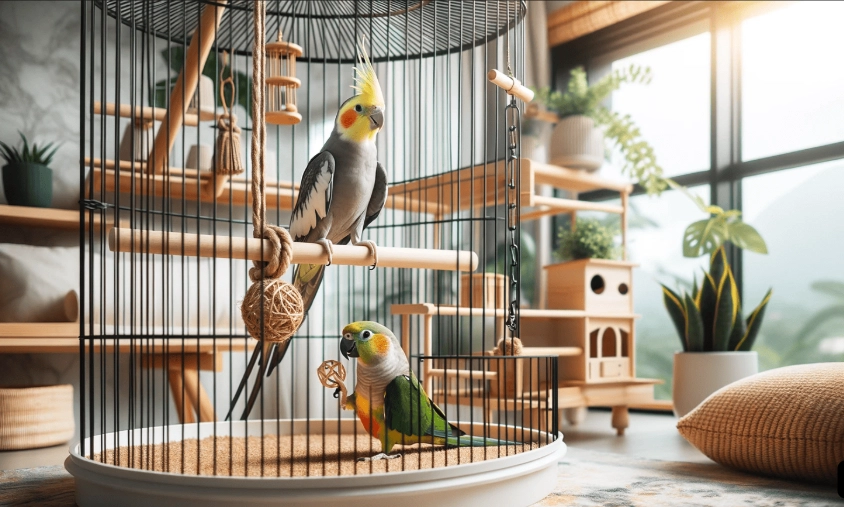
Honest moment The Yaheetech flight cage looked great. But the bottom tray warped after the third wash. Warped tray means gaps. Gaps mean a bird can squeeze out. I put a zip tie around it. Not ideal. If you buy that one, budget for a replacement tray or reinforce it.
The A&E double flight is a beast. It took me two hours to assemble. But the welds are clean. No sharp edges. The casters roll smooth even on carpet. If you have two cockatiels that tolerate each other, this is a solid long-term buy.
Prevue F070—the one I keep—has a plastic base that's easy to wipe. Bar spacing is 1/2 inch. Perfect. But the food bowls are flimsy. I swapped them out for stainless steel cups on day one. That's a $15 fix that makes a huge difference.
Safety Traps New Owners Miss
You can buy the best cage for cockatiel and still mess up. Here are three mistakes I see constantly.
1. The "Decor" Trap
Happy huts, fabric tents, and rope perches—they look cozy. But cockatiels chew fabric. Loose threads can wrap around a toe or crop. I lost a foster bird to a loose thread from a hut. It was awful. Use natural wood perches and stainless steel hardware instead.
2. The Perch Placement Mistake
People put perches high up near the top and call it done. Cockatiels need horizontal space to move. A perch near the food and another lower down creates a climbing path. I use three perches in Griffin's cage: one high for sleeping, one mid-level for hanging out, and one near the door for easy stepping out. Each perch is a different diameter (1/2 inch, 3/4 inch, 1 inch) to exercise his feet.
3. Ignoring the Door
If the door is small or hard to open, you'll avoid taking your bird out. That's bad for both of you. Look for a cage with a large front door and a secure latch. Griffin learned to open a simple sliding latch in two days. Get one with a pin or lock. Trust me.
The Setup Ritual That Saves Vet Bills
Here's what I do with every new cage before a bird goes in. It takes 30 minutes and I've never skipped it.
- Wipe down with white vinegar and water (50/50). Rinse thoroughly. Powder coatings sometimes have residue from manufacturing.
- Check every weld and joint. Run your finger along the bars. If you feel a sharp point, file it or return the cage.
- Replace plastic food/water bowls with stainless steel. Plastic scratches and harbors bacteria.
- Set up perches, then move them around. Watch your bird for 10 minutes. Do they use all perches? If not, adjust.
- Zip-tie the tray corners. Even good cages can have slight gaps. A zip tie fixes it in seconds.
After that, place the cage in a quiet corner—not against a wall with no view. Cockatiels want to see the room but also have a safe retreat. I put Griffin's cage so one side faces a wall. He uses that side to sleep.
Stubborn Questions, Honest Answers
My cockatiel keeps hanging upside down from the cage top. Does that mean the cage is too small?
Not necessarily. Cockatiels hang upside down for play and exercise. But if it's constant and paired with pacing, the cage might be too small. Check bar spacing and interior height. A cage under 24 inches tall often triggers this. Also, add more horizontal perches—vertically challenged cages force birds to improvise.
Is a powder-coated cage safe if my bird chews the bars?
Powder coating is safer than galvanized, but it can chip. If you see bare metal underneath, that's a problem. Most powder coats are non-toxic (zinc-free), but if the chip exposes steel, rust and sharp edges follow. Watch for flaking and replace or seal the area with bird-safe epoxy if it's small. Better to avoid cages with visible chips altogether.
How often should I clean the cage to prevent respiratory issues?
Spot clean daily—wipe down perches and remove droppings. Full bedding change once a week. Deep clean with vinegar solution every two weeks. Cockatiel dander and dust are real irritants. If you smell ammonia, you waited too long. I keep a small spray bottle of vinegar water near the cage for quick wipes.
Can I use a cage intended for a larger parrot if I just add more perches?
Bar spacing is the dealbreaker. A cage for a macaw often has 1-inch or wider spacing. A cockatiel can get its head stuck. Don't do it. Even with perches, the risk isn't worth it. Stick to 1/2 to 5/8 inch spacing.
What's the one thing you'd change about the Prevue F070?
The food bowls. They're plastic and shallow. Griffin flipped his water within the first hour. I swapped them for stainless steel cups that lock into the holder. That's a $15 fix that makes the cage much more functional.
Look, you don't need a mansion. You need a safe cage. Bar spacing, non-toxic coating, and enough horizontal room for short hops—that's the trio. Everything else is adjustable. I've seen cockatiels thrive in modest cages with smart layouts and suffer in huge cages with bad bar spacing. Don't overthink it, but don't cut corners on safety. And if you're unsure, grab the Prevue F070. It's what I use daily, and Griffin hasn't given me a single worried night since.

Comments