Best Bird Feeder Types: 7 Picks That Actually Work
What's in this guide
I've been feeding birds for 12 years. I've bought cheap feeders that broke in a week and pricey ones that lasted three seasons. So when people ask me about the best bird feeder types, I don't pull from a catalog—I pull from a backyard full of trial and error.
The short answer: a tube feeder with metal ports attracts the most species, a hopper feeder handles bigger birds, and a squirrel-proof model saves you from daily frustration. But the details matter—port size, material, placement, and the feeder you don't buy.
1. Tube Feeders — The Best All-Round Bird Feeder Type
Tube feeders are cylindrical plastic or metal tubes with ports and perches. They're the go-to for a reason: they keep seed dry, discourage large birds, and let small birds feed in peace.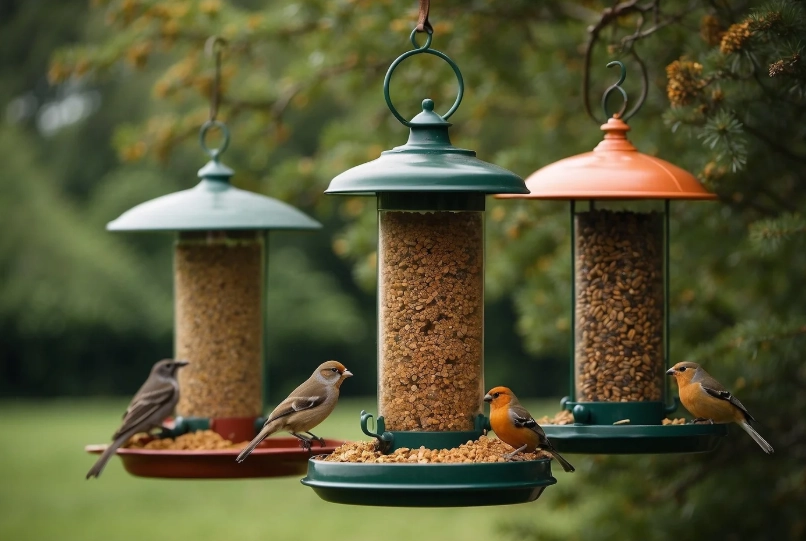
I've had a Droll Yankees tube feeder hanging for six years. It cost $45. The cheap $12 version from a big-box store warped in one summer and the lid wouldn't close.
- Best for: Chickadees, finches, nuthatches, titmice
- Seed type: Black oil sunflower, nyjer
- Price range: $20–$60
- Key detail: Metal ports last longer—squirrels chew plastic ones in days
One thing I learned the hard way: don't fill a tube feeder more than halfway for the first two weeks. Small birds are cautious, and stale seed at the bottom will mold before they get to it.
2. Hopper Feeders — Best for Larger Birds and Bigger Seed
Hopper feeders look like little houses with a seed reservoir. They hold a lot of seed and attract cardinals, jays, and even woodpeckers.
I hung a hopper feeder on a pole in my front yard. Within three days, cardinals showed up. The downside: it's a buffet for starlings and grackles if you're not careful.
- Best for: Cardinals, jays, woodpeckers, grosbeaks
- Seed type: Mixed seed, striped sunflower
- Price range: $30–$80
- Key detail: Look for a feeder with a baffle to stop squirrels climbing the pole
3. Platform Feeders — Best Ground-Feeding Setup
A platform feeder is basically a tray. Seed sits open to the air. It's the best feeder type for ground-feeding birds like juncos, towhees, and doves.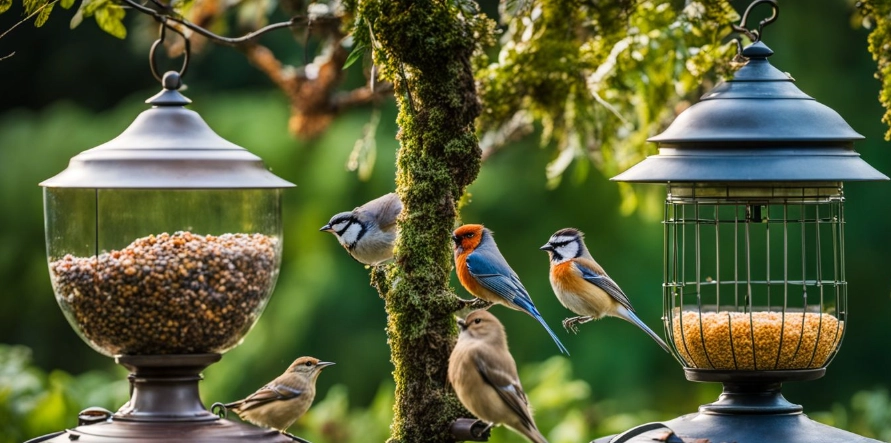
But here's the non-consensus view: platform feeders are the worst choice if you have cats. I lost two birds in one week to a neighbor's cat before I swapped to a raised platform with a cage.
- Best for: Juncos, towhees, sparrows, doves
- Seed type: Cracked corn, millet, mixed seed
- Price range: $15–$45
- Key detail: Drainage holes matter—without them, seed turns into a soggy mess after rain
4. Suet Feeders — Best for Winter Birds
Suet is rendered beef fat. Birds need it in cold months. A suet feeder is a simple cage or log that holds a suet cake.
I hang a tail-prop suet feeder on a tree trunk in November. Woodpeckers find it within hours. The mistake most people make: buying suet in summer. It melts and turns rancid.
- Best for: Woodpeckers, nuthatches, chickadees
- Seed type: Suet cakes
- Price range: $10–$30
- Key detail: A tail-prop design (longer cage) lets woodpeckers brace their tails—they stay longer
5. Window Feeders — Best for Close-Up Views
Window feeders stick to glass with suction cups. They're small, hold limited seed, and give you a front-row seat.
I mounted one on my kitchen window. The suction cups failed after two months. A better option: a window feeder with a mounting bracket that screws into the frame—no suction cups.
- Best for: Chickadees, finches, titmice
- Seed type: Black oil sunflower, hulled sunflower
- Price range: $15–$40
- Key detail: Clean the glass with rubbing alcohol before sticking—it makes a real difference
6. Squirrel-Proof Feeders — What Actually Works?
"Squirrel-proof" is a marketing term. No feeder is 100% squirrel-proof. But some designs slow them down enough that they give up.
I tested three models. The best was a weight-activated feeder—it closes the ports when a squirrel climbs on. The worst was a "cage" style that a determined squirrel chewed through in three days.
| Feeder Type | Best For | Price Range | Squirrel Resistance |
|---|---|---|---|
| Weight-activated tube | Small birds | $50–$90 | High (closes ports) |
| Metal hopper | Large birds | $40–$80 | Medium (squirrels chew plastic) |
| Cage-style | Small birds | $25–$60 | Low (squirrels can chew through) |
| Baffle-pole hopper | All sizes | $60–$120 | High (baffle stops climbing) |
My rule: if you have squirrels (and you probably do), skip the cage-style entirely. Go weight-activated or add a baffle.
7. Common Mistakes I Wish I Knew Earlier
This is where most guides stop short. They list feeder types but skip the setup mistakes that ruin the whole experience.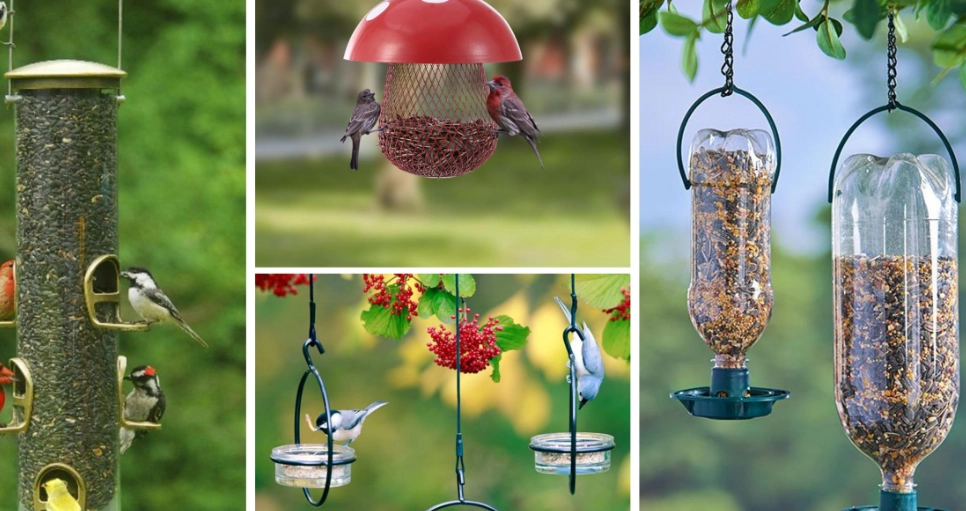
Mistake 1: Hanging a feeder in the middle of the lawn. Birds need cover nearby. A feeder within 10 feet of a shrub or tree gets more visitors. I moved mine five feet closer to a bush and saw a 40% jump in activity.
Mistake 2: Using the wrong seed for the feeder. Nyjer in a hopper feeder is a waste—it pours out. Black oil sunflower is the safest all-purpose seed.
Mistake 3: Not cleaning. Feeders need a scrub every two weeks with a 10% bleach solution. I skipped this once and a finch showed up with conjunctivitis. Never again.
One more: don't buy a feeder with a painted interior. Paint chips and birds eat them. Unpainted metal or plastic only.
I check the National Audubon Society's bird feeding guidelines whenever I try a new seed mix. It's the one source I trust for safe feeding practices.
Reader Questions
Final thought: the best bird feeder type is the one that matches your birds, your space, and your tolerance for squirrels. Start with a tube feeder and a baffle. Adjust from there. That's what I did, and my yard has never been busier.

Comments