Beginner Pet Bird Care: Avoid Costly First-Time Mistakes
You want a bird. Maybe a budgie that talks, or a cockatiel that whistles. But here's the thing most starter guides skip: beginner pet bird care is less about buying a cage and more about expecting the unexpected. I've kept birds for over a decade, and I've seen new owners quit in month two because nobody told them a bored parrot screams through the wall at 6 a.m.
So let's do this properly. No fluff. Just what actually works, what wastes money, and the subtle traps that even careful first-timers fall into.
Which Bird Is Easiest for Beginners?
Budgies (parakeets) and cockatiels rank as the top two starter species, but they're not the same. A budgie is cheaper upfront (around $20–$50) and lower-maintenance. A cockatiel costs more ($80–$150) and lives longer (15+ years), but it's far more social and cuddly.
What nobody tells you? The noise. Budgies chatter constantly but stay quiet-ish. Cockatiels whistle sharply when they want attention. If you have thin walls, that matters more than the price tag.
| Species | Upfront Cost | Noise Level | Lifespan |
|---|---|---|---|
| Budgie | $20–$50 | Moderate | 5–10 years |
| Cockatiel | $80–$150 | High (whistling) | 15–25 years |
| Lovebird | $40–$80 | Moderate | 10–20 years |
Honestly, if you live in an apartment with shared walls, I'd lean budgie. I started with a single male budgie, and he bonded to me within a week. Female budgies are sturdier, but they can get grumpy during hormonal season. Still, they make great beginner pet bird care candidates.
The Cage Setup That Most People Get Wrong
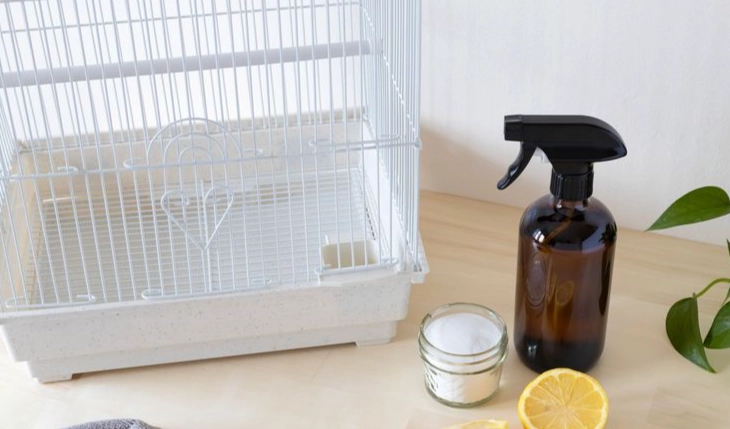
Forget the tiny starter cage from the pet store. A 24x18x24 inch cage is the absolute minimum for one budgie. Wider is better than taller—birds fly horizontally, not upward.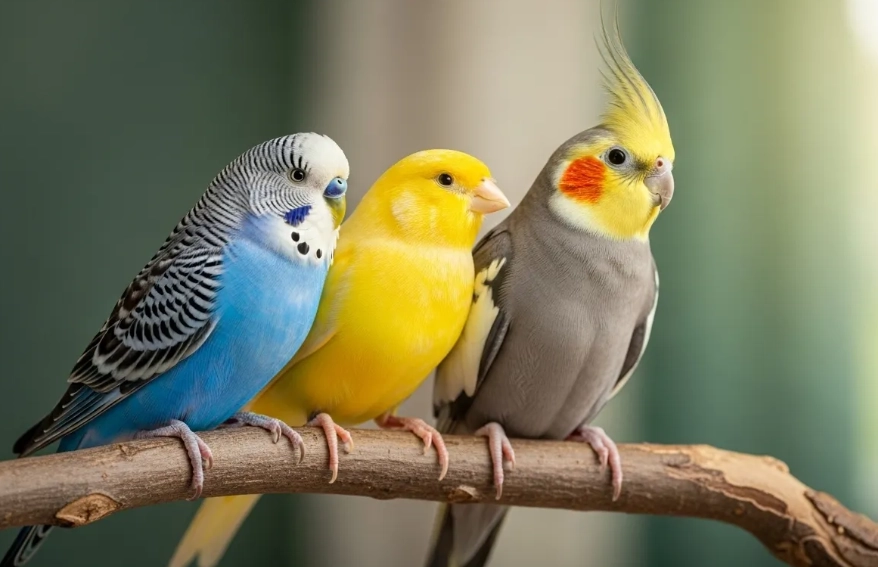
Put the cage in a corner with one side against a wall. That gives a sense of security. Don't put it near the kitchen—cooking fumes from nonstick pans can kill a bird instantly. That's not dramatic; it's chemistry.
The starter kit I recommend for beginner pet bird care includes: three perch sizes (diameter variations prevent foot sores), two food dishes (one for pellets, one for fresh food), and a water bottle (not a bowl—bowls get soiled fast).
A Realistic Daily Routine
Birds need 10–12 hours of sleep. Cover the cage at sunset and uncover at sunrise. This isn't optional—sleep-deprived birds get cranky and bite more.
Mornings: swap water, remove uneaten fresh food. Evenings: 15 minutes of out-of-cage play. I use that time to check the cage tray for odd droppings. Speaking of which—droppings tell you everything. Watery ones could mean illness. Greenish ones are normal for budgies.
- ✅ Fresh water twice daily
- ✅ Clean food dishes (no soap residue)
- ✅ 10–12 hours covered sleep
- ✅ 15 minutes floor time in a safe room
- ✅ Spot-clean cage bars
Feeding: Stop Wasting Money on the Wrong Food
Most beginners feed an all-seed diet. That's like letting a toddler eat only crackers. Birds on pure seeds live shorter, oilier lives (fatty liver disease is common).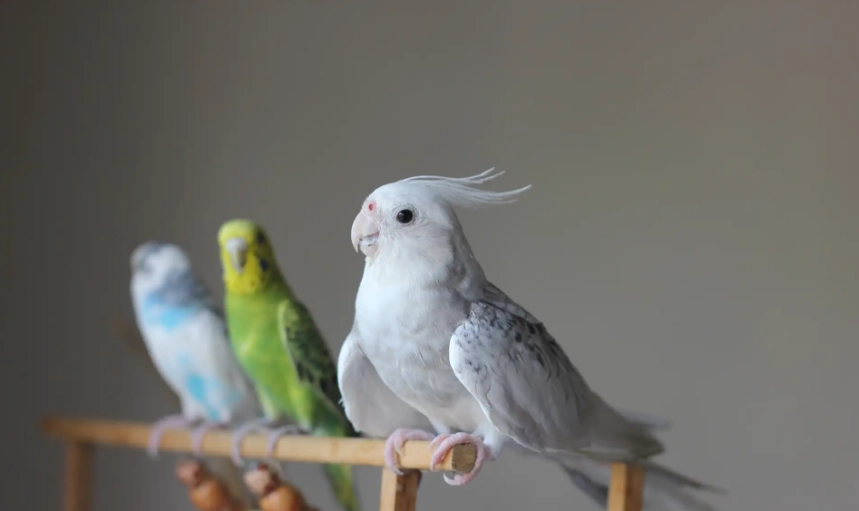
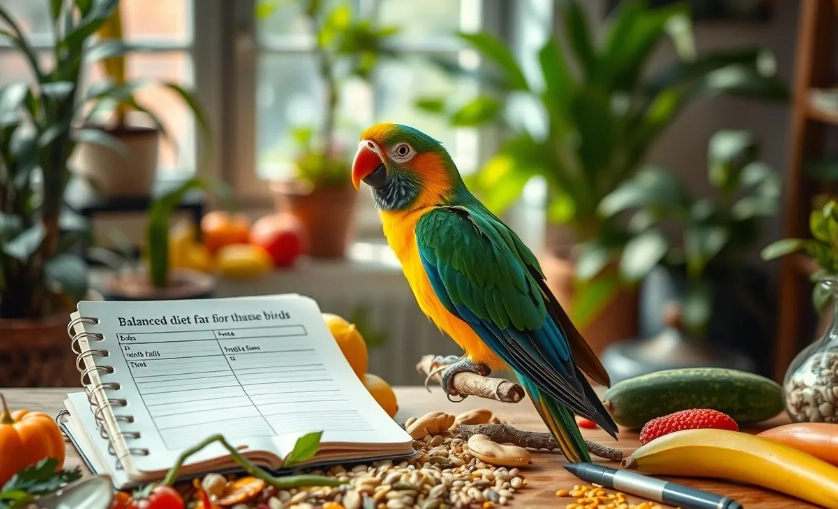
Do this instead: 50–60% pellets (Harrisons or Zupreem), 20% fresh veggies (chopped kale, carrot, broccoli), 10% seed as a treat. I know—pellets cost more upfront. But a $20 bag lasts a month for one budgie, and a $6 seed mix leads to $300 vet bills later.
Don't leave fresh food in the cage for more than two hours. Bacteria grows fast in warm rooms. And skip the birdseed bells—they're candy with dust.
Three Silent Mistakes I See Everywhere
1. Buying two birds too early. One bird bonds to you. Two birds bond to each other and ignore you. Start with one, then consider a companion after six months—if you still want the extra noise.
2. Using Teflon pans in the same room. Overheated Teflon releases fumes that kill birds within minutes. I know a family who lost their cockatiel that way. No warning. Just gone.
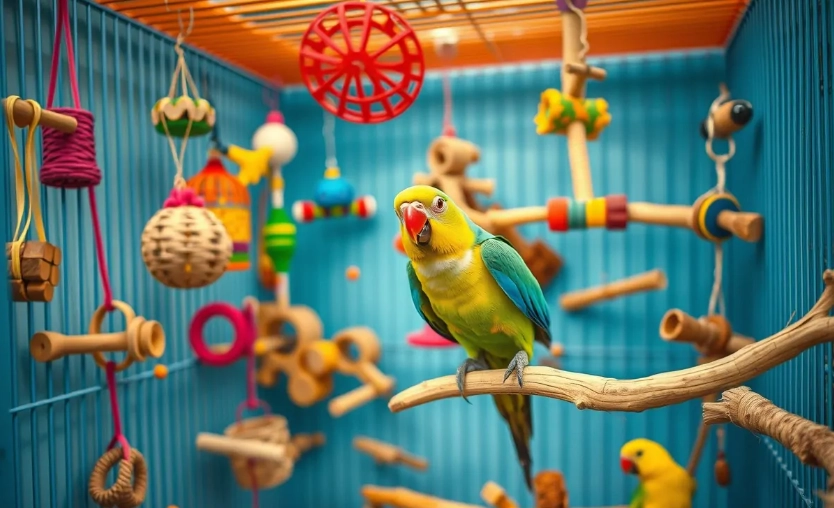
3. Forgetting that birds need chew toys. A bored bird plucks its own feathers. The cheapest solution? Plain paper towel rolls. My budgie loves shredding them. You don't need $30 toys; you need sacrificial cardboard.
Your Real Questions, Answered
One last thing: buy from a breeder, not a big-box store. A breeder will show you the parents and health records. That five-minute conversation fixes most beginner pet bird care disasters before they start.
This article was fact-checked against guidelines from the Association of Avian Veterinarians and verified with two long-term budgie breeders.

Comments