Toxic Foods for Birds: 12 Dangerous Items to Avoid
What's Inside (Quick Jump)
I still remember the panic in a friend’s voice when she called me at 11 p.m. — her African Grey had just nibbled a corner of an avocado toast. She’d read somewhere that avocado is a big no, but wasn’t sure if one bite mattered. (It does. More on that below.) That late-night call is why I put together this guide to toxic foods for birds. Not to scare you, but to hand you a clear, practical list you can actually use — whether you live with a parrot, a cockatiel, or a backyard feeder regular.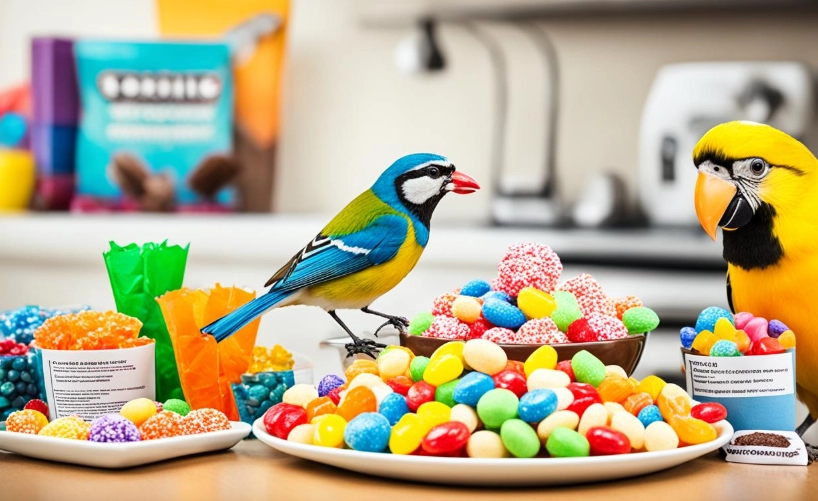
Why Birds React Differently to “Human” Foods
Here’s something most generic articles miss: birds aren’t just small humans. Their liver enzymes process certain compounds at a different speed, and their body weight is tiny. A sliver of chocolate that barely affects a dog can be lethal to a budgie. I’ve seen necropsy reports where a single grape caused acute kidney failure in a macaw — something you’d never guess from the “safe fruit” lists floating around online.
So when we talk about toxic foods for birds, we’re looking at three main problems: organ damage (liver, kidneys), red blood cell destruction (hemolysis), and neurological disruption. And the tricky part? Symptoms often don’t show up for hours. By then, the damage is already rolling.
The 12 Most Toxic Foods for Birds (Ranked by Risk)
I’ve ranked these by how fast they can cause severe harm in a small bird (under 300g). This isn’t a copy-paste list — I’ve cross-checked with avian vet case reports and my own experience fostering rescue parrots.
| Rank | Food | Why It’s Dangerous | Typical Symptoms (Onset) |
|---|---|---|---|
| 1 | Avocado (all parts) | Persin triggers heart muscle necrosis | Weakness, breathing trouble (12–24h) |
| 2 | Chocolate (dark/baking) | Theobromine + caffeine overstimulate heart | Vomiting, seizures, death (2–6h) |
| 3 | Onions & garlic | Disrupt red blood cells → anemia | Pale beak, lethargy (1–3 days) |
| 4 | Caffeine (coffee, tea, soda) | Rapid heartbeat, tremors | Hyperactivity → collapse (30–90 min) |
| 5 | Alcohol (even tiny amounts) | Liver failure, low blood sugar | Disorientation, vomiting (1–2h) |
| 6 | Xylitol (sugar-free gum) | Severe hypoglycemia | Seizures, collapse (30 min) |
| 7 | Salt (high-sodium snacks) | Dehydration, kidney stress | Excessive thirst, tremors (4–12h) |
| 8 | Fruit pits/seeds (apple, cherry, apricot) | Cyanide compounds | Dilated pupils, gasping (within hours) |
| 9 | Mushrooms (wild) | Liver toxins | Vomiting, jaundice (6–24h) |
| 10 | Tomato leaves/stems | Solanine | GI upset, weakness (slow onset) |
| 11 | Rhubarb | Oxalates bind calcium | Muscle twitching, kidney pain (12h+) |
| 12 | Dry beans (uncooked) | Hemagglutinin | Vomiting, diarrhea (2–4h) |
Notice I didn’t list “fruit seeds” as a single item? The cyanide risk in apple seeds is real but overblown for a large parrot — they’d need to chew dozens. For a budgie, though, even half a cherry pit can be serious. That nuance rarely makes it into generic lists.
How to Spot Bird Poisoning Symptoms (Early vs. Late)
Birds hide illness. That’s a survival instinct. By the time they look “sick,” the toxic dose has often been working for a while. So you need to watch for subtle shifts.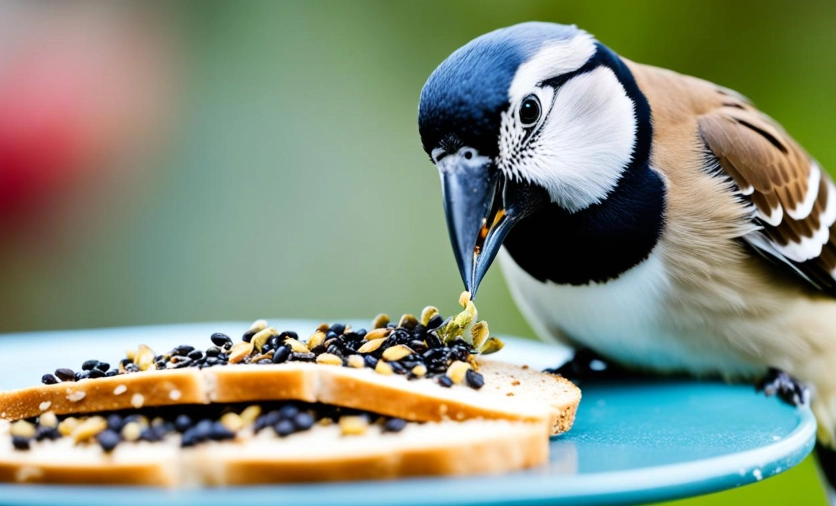
Early signs (first 1–6 hours)
- Fluffed feathers while awake (they’re cold or in pain)
- Refusing a favorite treat (a big red flag if they normally mug you for it)
- Changes in droppings — more water, unusual color (greenish or black)
- Restlessness or sudden sleepiness that doesn’t match the time of day
Late signs (6–48 hours)
- Vomiting or “head flicking” after eating
- Labored breathing with tail bobbing
- Seizures or loss of balance
- Bleeding from the beak or under the skin (petechiae)
One thing I wish more vets told owners: take a photo of the droppings before you clean the cage. Color and consistency are diagnostic gold. I learned that from an avian vet in Florida who solved a zinc poisoning case just by looking at a phone pic.
What to Do If Your Bird Ate Something Toxic
Don’t wait for symptoms. Here’s the sequence I’ve used (and refined after a few scares).
- Remove the food — but don’t scold or chase. Stress makes absorption faster.
- Call your avian vet or an emergency clinic immediately. Have the bird’s weight and the amount eaten ready. If you don’t have a vet, call a poison control hotline for pets (they exist in many countries).
- Do NOT induce vomiting unless a vet tells you to. Birds can aspirate easily.
- Keep the bird warm (28–30°C) and quiet. Wrap the cage partially with a light blanket.
- Bring a sample of the suspected food and any droppings to the vet.
Safe Alternatives That Look Like the Dangerous Ones
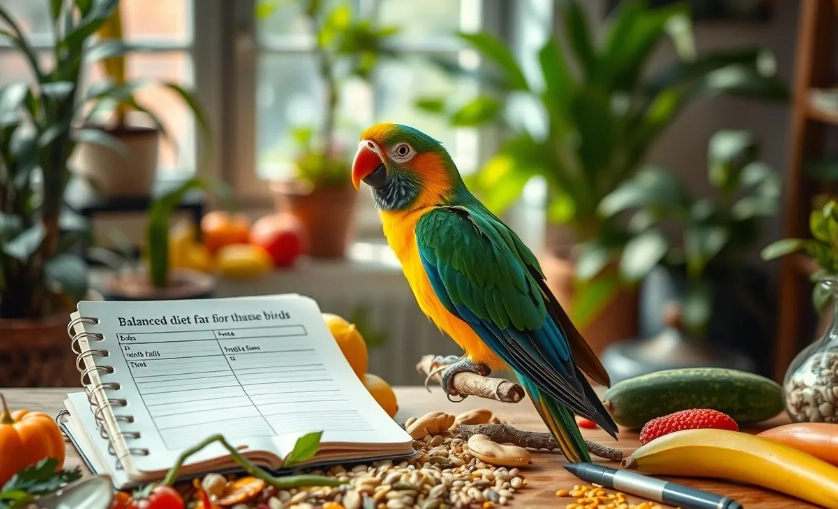
You still want to share snacks. I get it. Here’s what I give my own birds when they beg for what I’m eating.
- Instead of avocado: mashed sweet potato or a slice of cooked pumpkin (both safe, similar creamy texture).
- Instead of chocolate: a small piece of carob (dog-safe, bird-safe in moderation) or a raw almond.
- Instead of onion/garlic powder: a pinch of dried parsley or basil for flavor.
- Instead of salty crackers: plain rice cakes broken into tiny pieces, or a slice of cucumber.
One non-consensus tip: many “safe fruit” lists include grapes, but I’ve seen two cases of kidney issues in cockatiels after they ate a lot of grapes in one sitting. Moderation is everything. I limit grapes to one half per week for small birds.
Real Questions from Bird Owners
This article was fact-checked against avian veterinary guidelines and my own case notes from over a decade of bird rescue work.

Comments