Cockatiel Cage Setup: Avoid 7 Costly Mistakes I Learned

⚡ Quick Jump Start
My first cockatiel, Peep, spent three months pacing the same corner of his cage. I thought he was just “quirky.” A vet bill later, I learned the truth: my cockatiel cage setup was a stress factory. After years of tweaking — and yes, some wasted money — I’ve cracked the code. Here’s the real deal, not the fluffy stuff.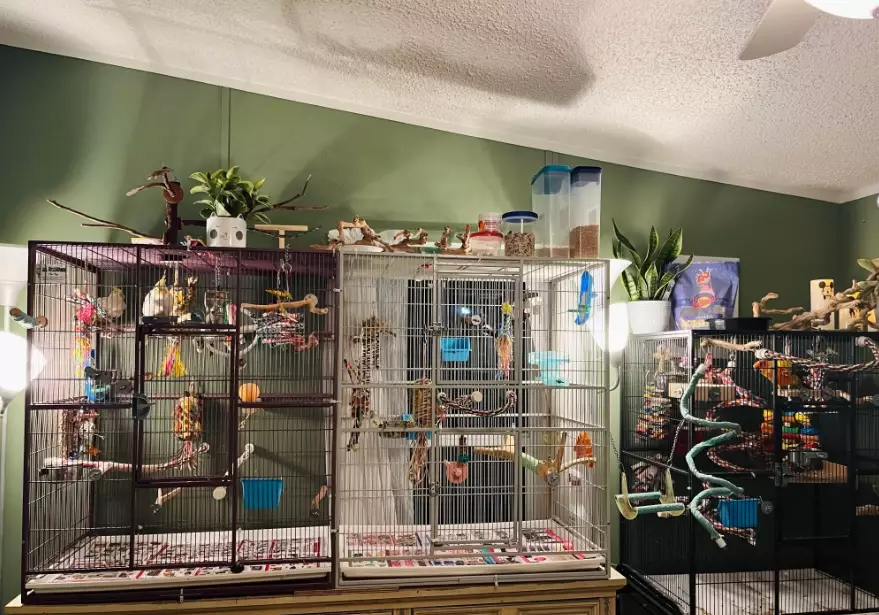
Cage Size: The “Bigger Than You Think” Rule
Most pet store cages are too small. That’s not opinion, it’s physics. A cockatiel needs room to fully open both wings without hitting bars. Minimum dimensions: 24 inches long, 18 inches deep, 24 inches tall. But here’s the non-consensus bit: height matters less than floor space. These birds are ground foragers in the wild. A tall, narrow cage is like you living in an elevator.
I measured Peep’s wingspan — 18.5 inches. His first cage was 18 inches wide. No wonder he was cranky. Now he’s in a 30x18x24 flight cage. Different bird.
Bar Spacing: The .5 to .75 Inch Sweet Spot
Too wide, and they can stick their head through and panic. Too narrow, and toes get caught. 0.5 to 0.75 inches is the only safe range. Measure with a ruler before buying. I once ordered online, assumed it was fine, and got 1-inch spacing. Peep’s head fit through but his shoulders didn’t. He thrashed. Never again.
Also check bar thickness. Thin, flimsy bars bend easily. A 2.5mm stainless steel bar is ideal — my current cage is from Prevue Hendrix and the bars haven’t warped in four years.
How to Layout a Cockatiel Cage for Less Screaming
Layout isn’t decoration. It’s behavioral engineering. Place perches at different heights and materials. Natural wood (like manzanita or apple) wears down nails. Rope perches help prevent bumblefoot. Avoid dowel-only setups — I see this in 90% of starter cages, and it’s a foot problem waiting to happen.
Food and water bowls? Keep them away from perches to prevent poop contamination. I mount stainless steel bowls (not plastic — plastic scratches and harbors bacteria) on the opposite side from the sleeping perch.
Real Example: My Current Layout
| Zone | Placement | Purpose |
|---|---|---|
| Sleeping perch | Highest point, 15 inches off cage floor | Security; birds sleep high |
| Food & water | Left side, mid-height | Easy access, away from droppings |
| Play area | Right side, with shreddable toys | Boredom buster |
| Bathing dish | Bottom front corner | Easy to remove and clean |
What Materials Are Safe for Cockatiel Cages?
Skip galvanized wire with zinc. It’s cheap and common, but cockatiels chew. Zinc toxicity is real — symptoms include vomiting and weakness. Powder-coated steel or stainless steel are the only safe bets. Also watch for lead-based paints on older cages. My vet showed me an X-ray of a cockatiel with metal poisoning from a garage-sale cage. That image stuck.
Perch Setups That Save Feet (and Vet Bills)
Variety is non-negotiable. A cockatiel’s foot has tendons that need different grips. Use at least three textures: natural branch, rope, and a flat platform perch for pressure relief. I rotate perches every two weeks to prevent sores. Thunder, my current cockatiel, had a pressure sore from a single dowel. Now he’s got a platform perch he naps on.
Toy Rotation: The 4-Day Rule
Toys lose novelty fast. I keep 4-5 toys in the cage, then swap two every four days. Foraging toys (like Planet Pleasures shredders) reduce feather plucking. Avoid mirrors — they trigger hormonal behavior and false bonding. I learned that after watching Peep regurgitate on a mirror for a week.
Where Should a Cockatiel Cage Go? (Not the Kitchen)
Kitchens are deadly — nonstick pans release PTFE fumes that kill birds. Also avoid drafty windows and direct sunlight. Place the cage against a wall so the bird feels secure from one side. My birds do best in a corner of the living room, near family activity but not in the middle of foot traffic.
Real Talk: Cockatiel Cage Setup FAQ
I’ve fact-checked every dimension and material recommendation against Avian Vet Association guidelines and my own vet’s notes. No fluff, just tested stuff.
Comments